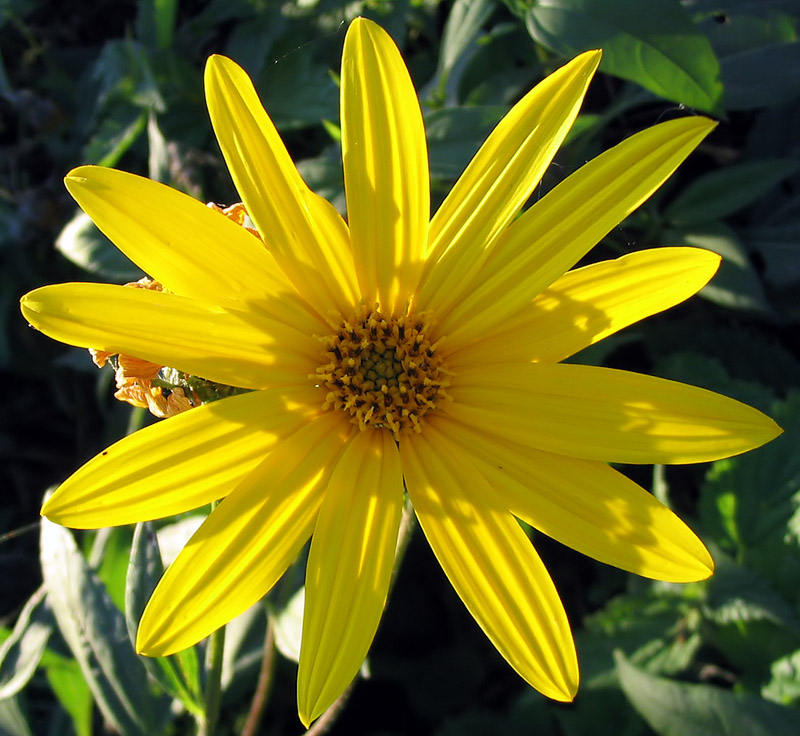
Beyond Greek Myth: Uncovering the True Origin of the Sunflower
The sunflower, with its radiant golden face turning gracefully towards the sun, is an iconic symbol of summer, joy, and vitality. Its image is so deeply ingrained in our collective consciousness that it feels as though it has always been a part of human history. Yet, for all its pervasive beauty and widespread presence today, the sunflower holds a fascinating secret: its true origin is far removed from the classical European landscapes often associated with ancient flora. Dispelling romanticized notions and digging into compelling botanical and archaeological evidence, we embark on a journey to uncover the authentic roots of this beloved bloom. So, *kommt die Sonnenblume aus Amerika*? The resounding answer, supported by centuries of discovery, is a definitive yes.
Dispelling the Myth: The Sunflower's True American Heritage
For many, the first association with a sun-worshipping flower might conjure images from Greek mythology. The tragic tale of Clytia, a nymph scorned by the sun god Apollo, is often recounted: consumed by unrequited love, she sat for nine days, gazing fixedly at Apollo's chariot as it traversed the sky, eventually transforming into a flower that always turns its head to follow the sun. This captivating narrative, immortalized by Ovid, undoubtedly inspired the botanical genus name *Helianthus*, derived from the Greek words *helios* (sun) and *anthos* (flower).
However, a crucial historical detail reveals a fascinating divergence: the sunflower we know and cherish today—*Helianthus annuus*—is a native of the Americas. It did not arrive in Europe until the early 16th century. This means the plant Clytia transformed into, if it existed at all beyond myth, must have been a different species, likely something akin to a heliotrope (*Heliotropium*), which shares the characteristic of heliotropism but is botanically distinct. The true sunflower's journey began not in ancient Greece, but across the vast Atlantic, in the ancient lands of North and Mesoamerica.
Tracing Ancient Roots: Where in America?
Unraveling the precise geographical origin of a plant that has graced Earth for millennia is a complex task. Botanists, archaeologists, and geneticists face the challenge of piecing together evidence from fragmented records, ancient remains, and the very DNA of the plant itself. While there's universal agreement that the sunflower's origin lies squarely in the Americas, the exact locale remains a subject of ongoing scientific debate.
Researchers employ various methods to trace its ancient path:
*
Archaeological Findings: Excavations uncover ancient seeds, pollen, and even representations of sunflowers, offering tangible proof of their presence in specific regions at particular times.
*
Ethnobotanical Studies: Examining the historical use, cultural significance, and local names given to sunflowers by indigenous communities provides valuable clues about their domestication and spread.
*
Molecular Biology: Genetic analysis helps scientists understand the evolutionary relationships between different sunflower varieties, pointing towards potential centers of origin and diversification.
Despite these efforts, definitive clarity remains elusive. Current hypotheses regarding the primary domestication center include:
*
North America (modern-day USA): Evidence suggests that indigenous peoples here cultivated sunflowers as a valuable food crop over 2,500 years ago, primarily appreciating their oil-rich seeds.
*
Mesoamerica (Mexico and surrounding regions): Some theories propose that sunflowers were known and cultivated even earlier here, possibly as far back as 4,500 years ago, primarily for their ornamental and sacred qualities.
*
Parallel Development: A compelling argument exists for independent or near-simultaneous domestication in both North and Mesoamerica, reflecting the plant's widespread natural distribution and diverse utility.
Each theory is supported by compelling data, yet the "final word" on the precise cradle of the sunflower is still being written. What is certain is that long before European explorers set foot on American soil, the sunflower was a vital part of indigenous life. To learn more about this incredible journey, explore
The Sunflower's American Roots: Journey from Ancient Lands to Europe.
More Than Just a Flower: Sacred & Sustaining in Ancient America
The sunflower's significance in pre-Columbian America extended far beyond mere aesthetics. It was a multifaceted resource, serving both practical and profound spiritual needs for various indigenous cultures across the continent. This dual role highlights its integral place in their societies.
A Nutritional Powerhouse in North America
In North America, early indigenous communities recognized the sunflower's remarkable capacity to provide sustenance. Its large, nutrient-dense seeds were a staple, offering a rich source of fat and protein. These communities cultivated sunflowers not just for casual foraging, but as a deliberate agricultural crop, demonstrating a sophisticated understanding of plant propagation and utilization. The seeds could be ground into flour for bread, roasted for snacks, or pressed for oil, making the sunflower a critical component of their diet, especially during lean times.
A Sacred Symbol in Mesoamerica
Further south, in Mesoamerica, the sunflower transcended its role as a food source, taking on profound spiritual and ceremonial importance. For powerful civilizations like the Incas and Aztecs, the sunflower was considered a sacred plant, often revered as an earthly representation of their mighty sun gods.
*
The Incas, known for their elaborate sun worship, were observed by Spanish conquistador Francisco Pizarro using the golden-yellow blossoms in their rituals, seeing them as direct images of their deity.
*
The Aztecs also held the sunflower in high esteem. They adorned their temples with intricate golden reproductions of the flower, and their priestesses were often bedecked with fresh sunflower blooms, symbolizing purity, fertility, and devotion to the sun.
* Across many other indigenous nations, the sunflower served as a potent symbol of light, fertility, and life-giving energy, deeply integrated into their art, mythology, and spiritual practices.
The sunflower's journey from a sacred deity to a superfood is truly remarkable. Delve deeper into its rich American history by reading
From Sacred Deity to Superfood: The Sunflower's Rich American History.
The Journey Across the Atlantic: Sunflowers Arrive in Europe
It wasn't until 1522 that the sunflower made its grand transatlantic voyage. Spanish explorers and seafarers, marveling at its unique beauty and impressive stature, brought the seeds back to Europe. Initially, the sunflower was embraced purely for its ornamental value. Its majestic height and vibrant, sun-like blooms quickly captured the imagination of European gardeners, transforming it into a popular exotic specimen in botanical gardens and aristocratic estates.
However, its utility was soon recognized beyond mere decoration. By the 18th century, particularly in Russia, the sunflower's potential as an oilseed crop was fully realized. Its high oil content proved invaluable, leading to widespread commercial cultivation. Today, the sunflower stands as one of the world's most important oil crops, supplying edible oils, ingredients for margarine, and even biofuels.
In the modern home garden, the sunflower continues its legacy as a beloved ornamental. Gardeners cherish it for:
*
Stunning Aesthetics: Its iconic yellow petals and imposing height add dramatic beauty to any landscape.
*
Long Blooming Season: Sunflowers can brighten gardens for extended periods throughout summer and into fall.
*
Wildlife Appeal: The seeds attract birds, bringing life and sound to the garden.
For those looking to grow their own little piece of American heritage, sunflowers are surprisingly adaptable. They thrive in sunny locations, requiring well-draining soil and consistent watering during dry spells. Whether you choose tall varieties for a dramatic backdrop or dwarf types for pots and balconies, these beauties are sure to bring a touch of the sun's warmth to your outdoor space.
The Enduring Legacy of the Sunflower
From its ancient origins in the Americas, revered by indigenous cultures for both its sacred symbolism and its nourishing seeds, to its voyage across oceans and its eventual adoption as a global agricultural powerhouse, the sunflower's story is one of incredible resilience and versatility. It reminds us that often, the most familiar things hold the most surprising histories.
The next time you see a sunflower, remember its true heritage. Remember the indigenous peoples who first recognized its value, long before Europe ever glimpsed its golden glory. Its journey from a sacred emblem of sun gods to a vital food source and beloved garden staple is a testament to its enduring power and universal appeal. And if the question ever arises, *kommt die Sonnenblume aus Amerika*? You can now confidently share the full, fascinating truth of its American roots.