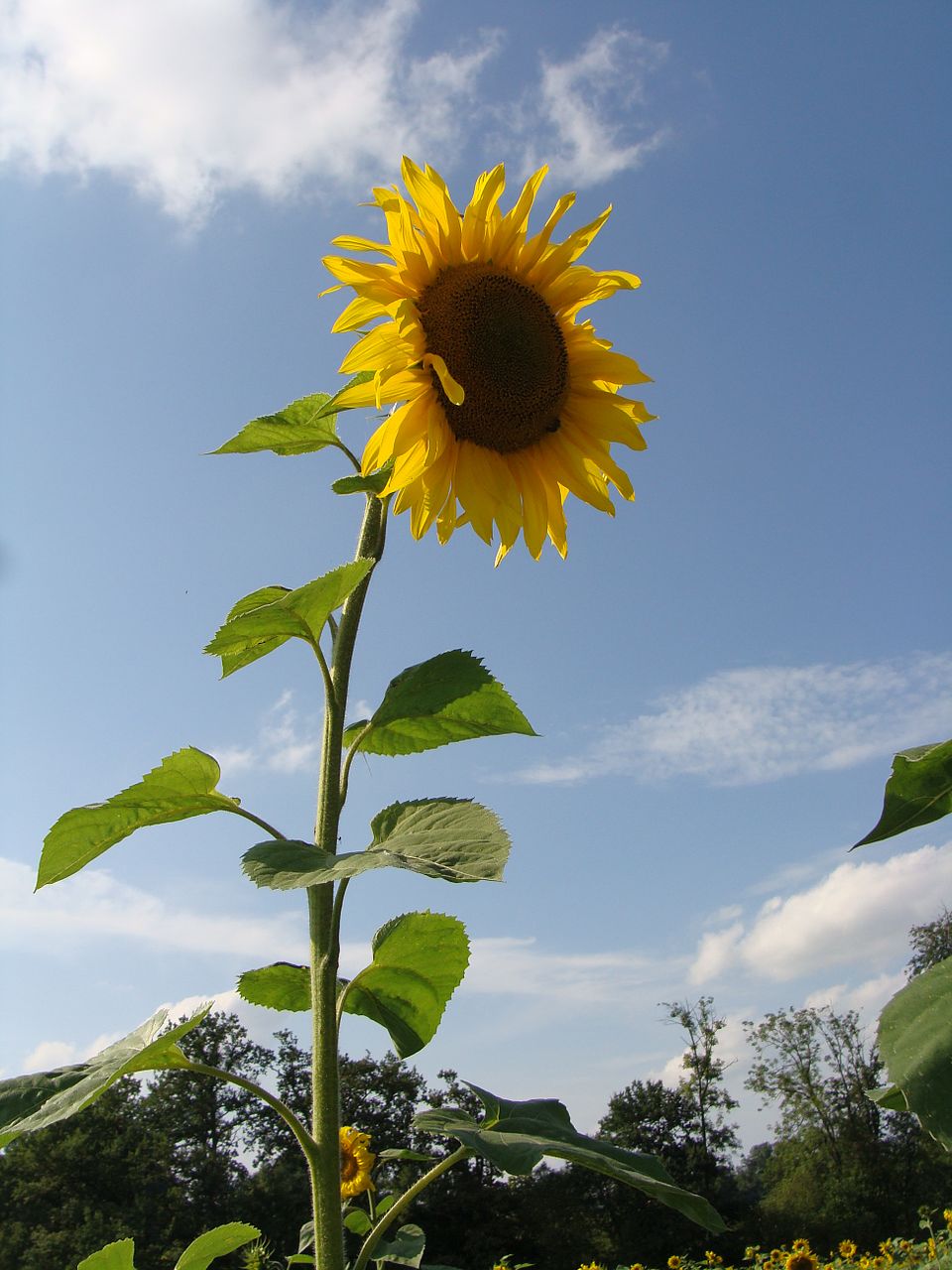
Unraveling the Mystery: Does the Sunflower Truly Come from America?
In countless gardens, fields, and bouquets across Europe, the sunflower stands as an undeniable emblem of summer, its vibrant yellow face mirroring the sun itself. Its striking beauty and the promise of delicious seeds have made it a beloved staple. But have you ever paused to wonder about its origins, asking, "Kommt die Sonnenblume aus Amerika?" (Does the sunflower come from America?) The answer, a resounding yes, unveils a captivating journey spanning millennia and continents, revealing a rich history rooted deeply in the ancient lands of the Americas before its grand arrival in European soil.
For many, a time without sunflowers is unimaginable. Yet, centuries ago, Europe was indeed devoid of these magnificent blooms. They existed solely in their distant homeland, cultivated and revered by indigenous peoples long before European explorers ever set foot on the continent. Fortunately for us, the sunflower eventually made its way across the Atlantic, finding a new home and flourishing into the global icon we cherish today. Without its glorious golden hue, our summers would undoubtedly feel a little less bright.
The Sunflower's Ancient American Legacy: More Than Just a Pretty Face
Tracing the exact footsteps of the sunflower back to its earliest origins is a fascinating, albeit challenging, endeavor. The plant has graced this Earth for such an immense stretch of time that definitive written records from its earliest periods are scarce, if they exist at all. Despite these historical gaps, dedicated researchers employ a variety of methods to piece together its ancient narrative, from meticulously examining archaeological finds and scrutinizing the myriad local names given to the sunflower across different cultures, to leveraging cutting-edge molecular-biological studies that delve into the plant's genetic blueprint. While there isn't complete unanimity on every single detail among experts, primarily due to their diverse investigative approaches, a core consensus remains undisputed: the sunflower originates from the Americas.
The debate, however, shifts to pinpointing the precise location within this vast continent. Leading theories propose its origin in North America (specifically, the region of the present-day USA), Central America (around Mexico), or even suggest a fascinating scenario of parallel development occurring in both regions simultaneously. What we do know is that its utility was recognized early on. In North America, the sunflower was already a cultivated crop approximately 2,500 years ago, highly valued for its oil-rich seeds, which served as a vital fat source. Further south, Mesoamerican civilizations may have known and utilized the sunflower as early as 4,500 years ago, treasuring it not just for sustenance but also as a distinct ornamental and sacred plant. Historical accounts, such as those attributed to the great explorer Francisco Pizarro, describe Incan peoples venerating the golden-yellow blossoms as a direct representation of their sun god, incorporating them into sacred rituals and ceremonies. This deep reverence highlights the sunflower's profound significance, transitioning from a mere plant to a powerful cultural and spiritual symbol.
Discover more about the sunflower's incredible journey from a revered deity to a vital food source in its homeland by reading From Sacred Deity to Superfood: The Sunflower's Rich American History.
From Sacred Symbol to Global Crop: The American Legacy Deepens
The cultural and spiritual significance of the sunflower among indigenous American peoples cannot be overstated. For the Incas, the sunflower was a tangible manifestation of their sun god, Inti, and thus held immense religious importance. Similarly, the Aztecs considered it a sacred plant, adorning their temples with intricate gold replicas of sunflowers and using the actual blossoms to adorn their priestesses during ceremonies. Indigenous communities in North America also revered the sunflower as a powerful symbol of light and life, its heliotropic nature—always turning towards the sun—deeply resonating with their spiritual beliefs.
Interestingly, the scientific genus name for the sunflower, Helianthus, beautifully captures this solar connection, deriving from the Greek words helios (sun) and anthos (flower). This name is famously linked to the Greek myth, recounted by Ovid, of the nymph Clytia, who, rejected by the sun god Apollo, transformed into a flower that perpetually gazed at his chariot as it traversed the sky. However, it's crucial to understand that this ancient Greek myth could not possibly refer to the sunflower as we know it today. The true sunflower is an American native and only arrived in Europe much later, around 1522. The plant in Ovid's tale was likely another sun-tracking species, possibly a heliotrope (genus Heliotropium). This distinction underscores the fact that the spiritual reverence for the sunflower, particularly its profound link to light and the sun, independently flourished and deepened within the Americas long before it captured the imagination of the Old World.
To delve deeper into the historical accuracy of the sunflower's mythical past and its real origins, explore Beyond Greek Myth: Uncovering the True Origin of the Sunflower.
The Transatlantic Voyage: How Sunflowers Bloomed in Europe
The year 1522 marks a pivotal moment in the sunflower's global expansion. It was then that European seafarers, returning from their voyages to the Americas, brought this exotic and beautiful plant back to the continent. Initially, the sunflower was embraced primarily as a curious and "hübsche Zierpflanze" (pretty ornamental plant), spreading its vibrant beauty across European gardens and estates. Its striking appearance and cheerful disposition quickly made it a popular novelty, valued solely for its aesthetic appeal.
It took some time for its full potential to be recognized beyond its decorative charm. Eventually, its true commercial value was "discovered" for oil extraction, a game-changer that propelled it from a garden curiosity to a vital agricultural crop. Today, sunflower oil is a global commodity, widely used in cooking, cosmetics, and various industrial applications. Yet, its ornamental role persists. In home gardens, the sheer beauty of its blossoms and its remarkably long blooming period remain the primary draws. Potted sunflowers adorn balconies, brightening urban spaces, while majestic stalks rooted in sunny garden beds continue to evoke the quintessential spirit of summer. This dual role—as a commercial powerhouse and a beloved garden favorite—speaks volumes about the sunflower's adaptability and enduring appeal.
Cultivating Sunshine: Tips for Growing Your Own Sunflowers
Bringing the joy of sunflowers into your own garden or balcony is a wonderfully rewarding experience. These magnificent plants are surprisingly easy to grow, making them suitable for gardeners of all skill levels. Here are some practical tips to help your sunflowers thrive:
- Choose the Right Spot: As their name suggests, sunflowers are sun-worshippers! They require at least 6-8 hours of direct sunlight per day. A south-facing location in your garden or on your balcony is ideal.
- Soil Matters: Sunflowers prefer well-drained, fertile soil. If your soil is heavy clay, amend it with compost to improve drainage and nutrient content. For potted varieties, use a good quality all-purpose potting mix.
- Planting & Spacing: Sow seeds directly into the ground after the last frost, usually in late spring. Plant seeds about 1 inch deep and 6 inches apart. Once seedlings are a few inches tall, thin them to 1-2 feet apart to give each plant ample space to grow, especially for larger varieties.
- Watering: Keep the soil consistently moist, especially during germination and the initial growth phase. Once established, sunflowers are relatively drought-tolerant but will benefit from deep watering during dry spells, particularly when their flower heads are forming.
- Support Tall Varieties: Some varieties can grow incredibly tall and may need staking to prevent them from toppling over in strong winds.
- Harvesting Seeds: If you're growing for seeds, wait until the back of the flower head turns yellow and then brown. The seeds should be plump and relatively easy to remove. Protect ripening heads from birds with netting.
- Enjoy the Benefits: Beyond their beauty, sunflowers attract pollinators like bees, provide a food source for birds (and humans!), and can even be grown as a natural privacy screen.
Whether you opt for towering giants with edible seeds or smaller, decorative varieties, cultivating sunflowers is a beautiful way to connect with a plant that carries such a profound and fascinating history.
Conclusion: The Enduring Legacy of an American Bloom
So, to definitively answer the question, "Kommt die Sonnenblume aus Amerika?" – yes, absolutely. The sunflower, with its radiant beauty and versatile utility, is indeed a cherished gift from the Americas to the world. Its journey from being a sacred symbol and vital food source for ancient indigenous cultures in North and Central America, through its transatlantic voyage in 1522, to its global status as both a commercial crop and a beloved ornamental plant, is nothing short of remarkable. Without its ancient American roots, Europe, and indeed the world, would be missing out on one of summer's most iconic and impactful blossoms. The golden glow of a sunflower isn't just a testament to its beauty, but also to an incredible, enduring history that continues to enrich our lives today.